Over the course of one semester, students from HTW Berlin worked in an interdisciplinary setting to explore how targeted nesting support structures can strengthen urban waterbird habitats. The project brought together different academic backgrounds and perspectives, creating a shared framework between design, ecology and spatial thinking.
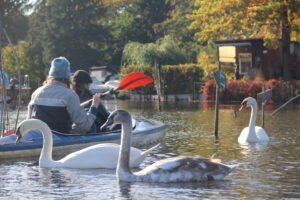
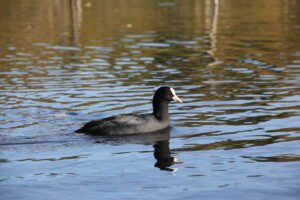
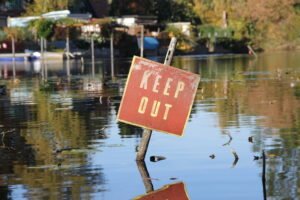
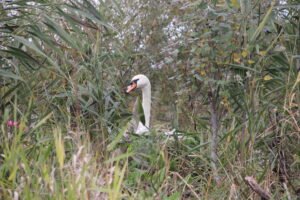
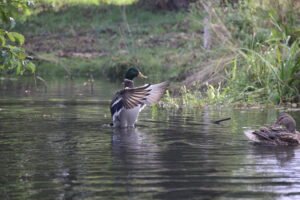
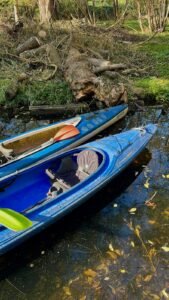
The first phase focused on research. Students analyzed local conditions, observed existing interventions and examined how waterbirds are currently affected by human activity. They identified potential leverage points, evaluated what is already working and defined realistic areas for intervention.
3 Different Interventions, targeting different Problems in the System
01 Floating Bird Island
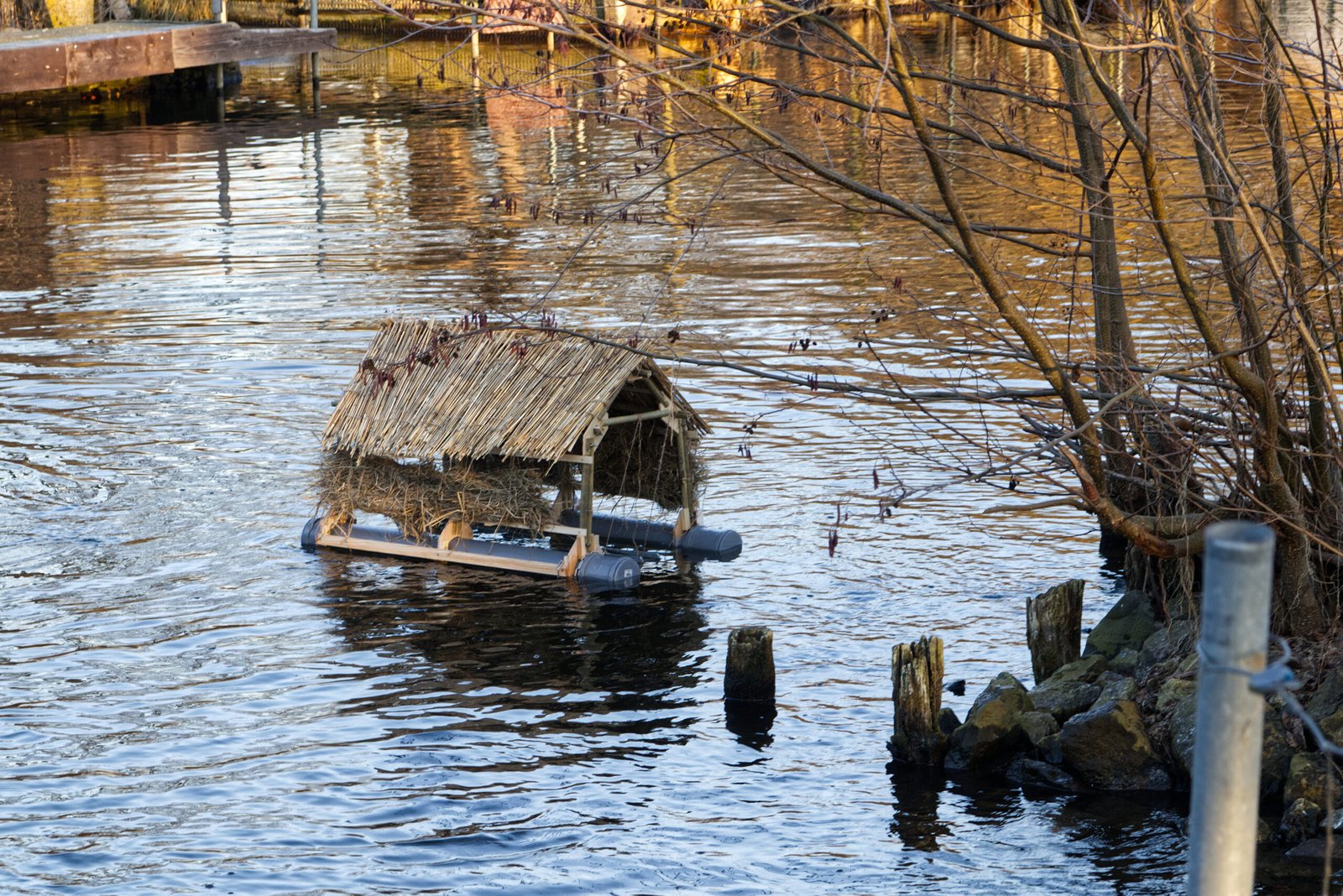
A floating nesting structure designed for water-nesting birds such as great crested grebes and coots. The project began with field observations at Tiefwerder, where unstable and unsuitable nesting solutions were identified .
Based on species-specific needs and human constraints, a modular prototype was developed using bamboo, hay, wood and floating elements. The structure protects against predators, provides nesting material and can be transported and installed with simple tools. It was tested on site to evaluate stability, handling and long-term feasibility.
02 Elevated Nest for Goldeneye
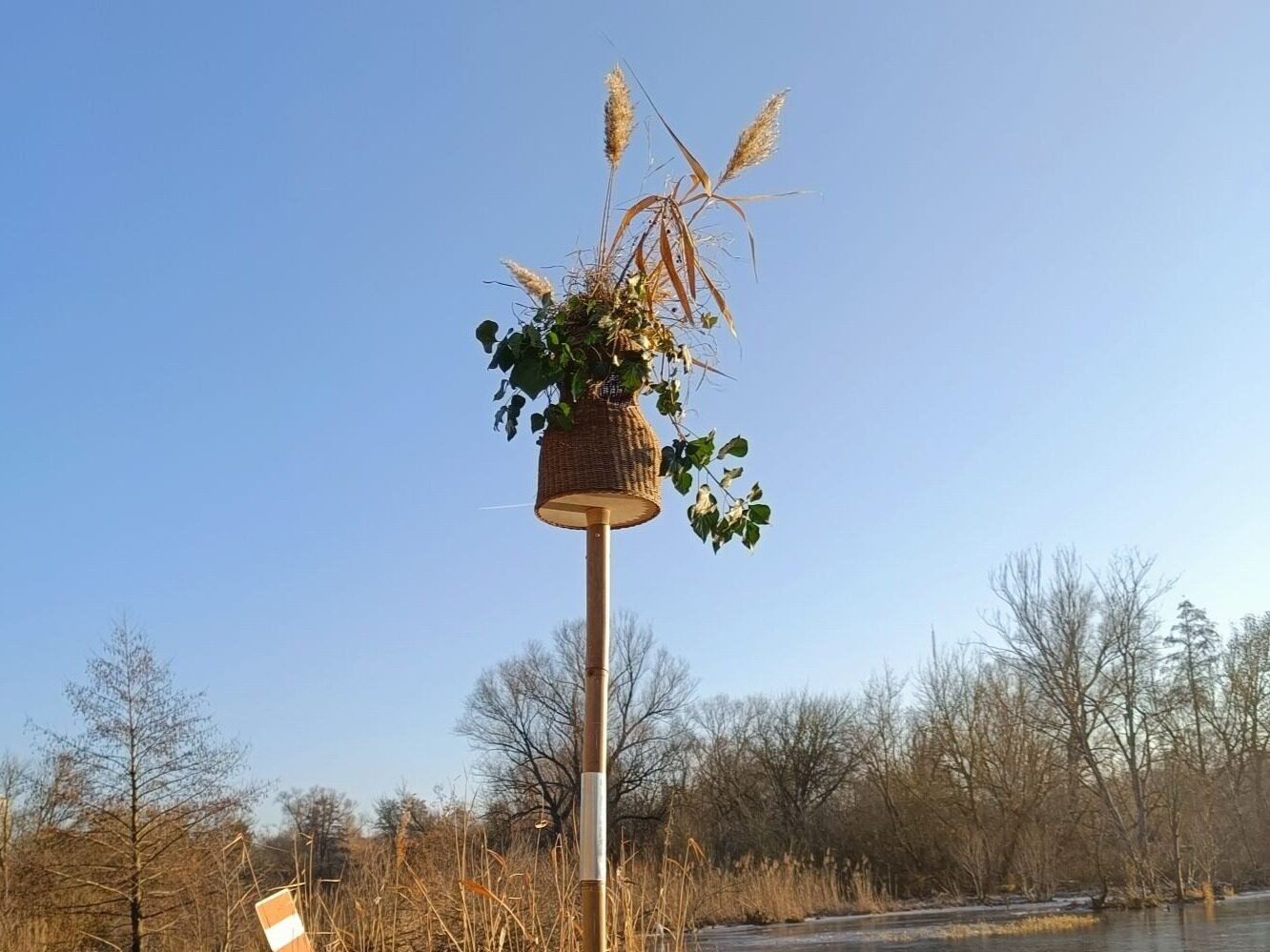
This intervention focuses on the specific nesting needs of the common goldeneye. Instead of attaching traditional nest boxes directly to trees, the team developed a freestanding solution using natural materials such as bamboo and woven elements .
The design considers predator protection, installation effort and ecological impact. By rethinking how and where nesting spaces are installed, the project explores alternatives that are less invasive while still meeting the biological requirements of the species.
03 KAYACAN – Waste Collection for Kayaks
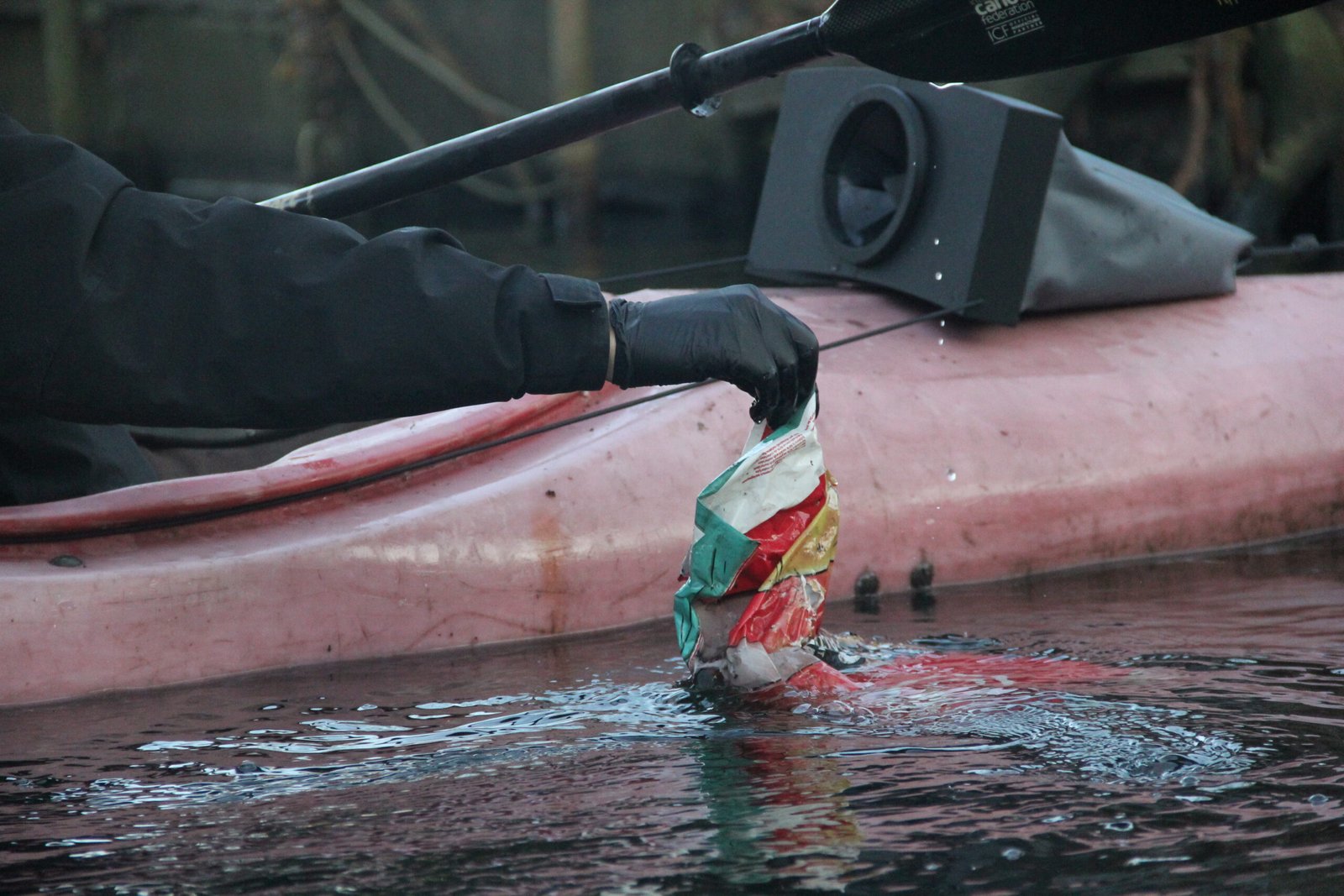
During field research, large amounts of waste were observed in the water, directly affecting waterbirds and their habitats . Instead of building another nesting structure, this team addressed the root problem: pollution.
KAYACAN is a modular waste collection unit that can be attached to kayaks. It enables paddlers to collect floating trash during their tours. The design includes a self-closing opening, waterproof materials and a removable lid system for easy emptying. By integrating waste collection into recreational use, the project connects environmental protection with everyday behavior.